Today marks my 750th blog post in 18 years. Over the years, I’ve written about finance, fatherhood, and my highlights from the books. But milestone #750 feels different. It isn’t just about sharing a thought; it’s about sharing a moment where I watched the future of work happen right in front of me.
Last Monday, I presented to hundreds of colleagues during the AI & Automation: Real Stories & Real Impact Webcast. But the true driver of that day wasn't just code or digital tools—it was trust.
I want to take you behind the scenes of that day—not just to share the technical win, but to share a personal story of what happens when you combine Trust + AI.
Grounding Before the Growth
To be a leader who "creates space" for others, you first have to create space for yourself. My day didn't start with last-minute slide edits. It started early, in the quiet of the mosque. I went there to pray, to center myself, and to find focus. Innovation requires a clear mind, and that moment of stillness gave me the grounding I needed to support my team later in the day.

The Virtual Motivation
By the time I reached the office for our rehearsal, I wasn't manic; I was ready. I hopped on a Microsoft Teams call with my co-speaker and intern, Osman Emre Yucel. Even though we were connecting through screens, the energy was high. I only told him: "We will do it!"
 |
| Ready, Set, Go! - We will do it! |
The Equation: Curiosity + Copilot > Experience
We were there to present TIM (Tax Intelligence Monitor), a tool we built internally to automate the tracking of tax regulations. But the real story wasn't the tool; it was the method.
When Emre joined the team, I could have relied on my years of experience and micro-managed every step. Instead, I chose Trust. I defined the "what" (the tax complexity we faced with new product categories), but I gave him the space to own the "how."
This is where AI bridged the gap. I had the experience, but I was stuck in the old ways of working. Emre had the curiosity and tools like Microsoft Copilot. When you combine a leader’s trust with an intern’s AI-empowered curiosity, the hierarchy dissolves. The intern becomes the innovator.
Real Innovation is Messy (And Funny)
Moving "beyond the hype" means admitting that AI isn't magic; it's an iterative process. During the webcast—which we delivered twice via MS Teams, once for the East and once for the West—we shared our "Fail Smart" moment.
I showed the audience how, in the early days, our AI tool kept flagging betting sites instead of tax regulations! We didn't hide this. We laughed about it. That transparency showed the audience that innovation is accessible. You don't need to be perfect; you just need to be persistent.


The Ripple Effect
The most powerful moment wasn't our presentation; it was the interaction that followed in the chat. The questions and comments poured in. By the end of the day, we realized we hadn't just showcased a tax tool. We had handed over a blueprint.
We explained via the Q&A that the logic Emre built is a flexible asset. By simply adjusting the search parameters, a colleague in Supply Chain or Commercial can turn TIM into their own "Competitor Monitor" or "Regulatory Alert System."
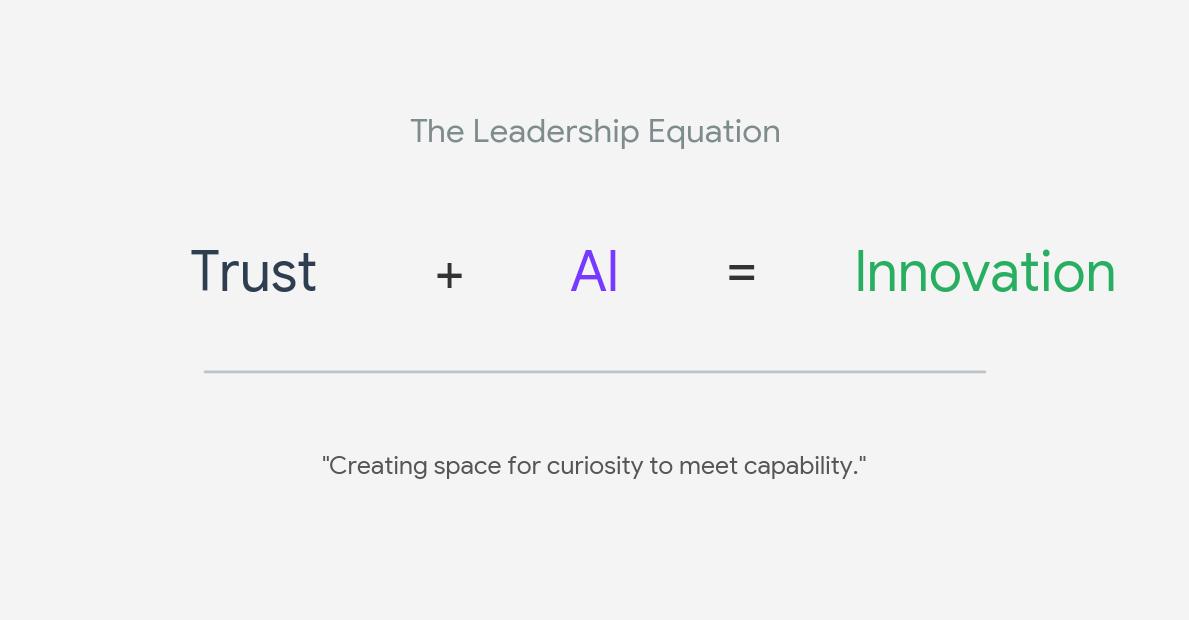
That is the ultimate result of the Trust + AI equation: We didn't just build a solution for ourselves; we inspired a way of working that others can make their own.
Here is to the next 750 posts—and the innovations they will bring.
P.S. Remember how I said we started by accidentally tracking betting sites? Well, look at us now! I’m incredibly proud to share that TIM has officially been recognized and rewarded as a Continuous Improvement project. From "Fail Smart" to "Award Winner"—not bad for a tool built by an intern, right?
 |
| Being Recognized - this means a lot! |
 |
| Best invite of 2025 |


